
AESTHETICS & MEDICAL
Targeted treatments to fade sun spots, melasma, and uneven tone for clearer, brighter, more even skin.
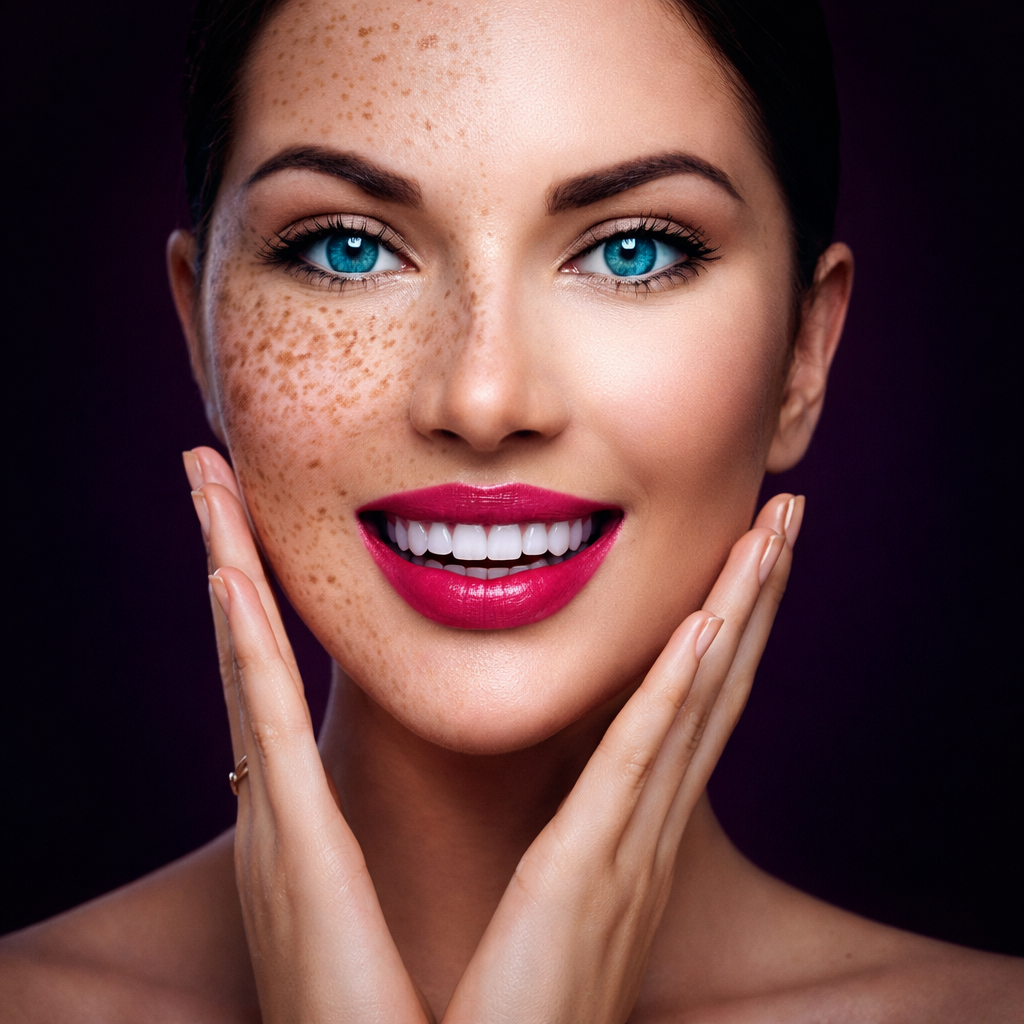
Targeted treatments to fade sun spots, melasma, and uneven tone for clearer, brighter, more even skin. Our team will tailor this treatment to your goals during a personalized consultation. Contact us to learn more or book your appointment.
Clearer, brighter, more even skin — without surgery or lengthy downtime.
Pigmentation concerns—whether sun spots, melasma, or general uneven tone—are among the most common and frustrating skin issues. At Skinovatio Ohio, we understand that no two cases of pigmentation are alike. That’s why we offer a comprehensive, multi-modality approach customized to your unique skin type, concerns, and goals.
Our medical team combines prescription medications, laser therapy, chemical peels, microneedling, and other advanced treatments to fade discoloration, calm inflammation, and restore your skin’s natural radiance. The result is clearer, brighter, more even skin that restores your confidence.
Pigmentation disorders occur when melanin (the pigment that gives skin its color) is produced unevenly. Several factors contribute:
| Factor | Impact |
|---|---|
| Sun Exposure | UV rays stimulate melanin production, leading to sun spots and uneven tone |
| Hormonal Changes | Fluctuations (pregnancy, birth control, menopause) can trigger melasma |
| Inflammation | Acne, injury, or irritation can cause post-inflammatory hyperpigmentation (PIH) |
| Aging | Cumulative sun damage leads to age spots and uneven pigmentation |
| Genetics | Some individuals are predisposed to pigmentation disorders |
We address pigmentation from multiple angles—targeting melanin production, exfoliating pigmented cells, and preventing future damage.
| Type | How It Works | Best For |
|---|---|---|
| Hydroquinone | Inhibits melanin production; considered the gold standard for pigmentation | Melasma, sun spots, PIH |
| Tretinoin (Retinoids) | Increases cell turnover, exfoliates pigmented cells | Sun damage, melasma, fine lines |
| Triple Combination Creams | Hydroquinone + tretinoin + corticosteroid | Stubborn melasma |
| Tranexamic Acid | Reduces melanin production through a different pathway | Melasma, resistant pigmentation |
| Vitamin C (L-Ascorbic Acid) | Antioxidant that inhibits melanin synthesis | Sun spots, melasma, prevention |
Important: Prescription treatments require medical supervision. Our team will assess your skin and recommend the right protocol for you.
Laser and light-based treatments target pigmentation with precision, breaking down excess melanin without damaging surrounding tissue .
| Treatment | How It Works | Best For |
|---|---|---|
| Candela Laser | Targets melanin with specific wavelengths | Sun spots, age spots, freckles |
| IPL (Intense Pulsed Light) | Broad-spectrum light targets pigmentation and redness | Sun damage, freckles, redness |
| Cartessa Prisma 3D | Combines IPL, RF, and EMS for comprehensive skin health | Pigmentation, texture, tone |
Clinical Evidence: A 2025 study of the 1940nm non-ablative fractional laser showed a 91% success rate in treating benign pigmented lesions, with significant improvement in skin texture . A case series on the 675nm laser demonstrated high patient satisfaction and minimal pain for pigmentation and rejuvenation treatments .
Chemical peels exfoliate pigmented skin cells, revealing fresher, more even-toned skin underneath .
| Peel Type | Depth | Key Ingredients | Best For |
|---|---|---|---|
| Superficial Peels | Light | Glycolic acid, salicylic acid, lactic acid | Sun spots, uneven tone, mild melasma |
| Medium Peels | Moderate | TCA (35%), Jessner’s solution | Photoaging, stubborn pigmentation |
| Deep Peels | Deep | Phenol | Severe pigmentation, deep wrinkles |
Our Peel Options:
Brightening Peel: Glycolic, pyruvic, or lactic acid blend to resurface and brighten
Glycolic Rejuvenating Peel: Improves tone, texture, and pigmentation
ZO 3-Step Peel: Addresses pigmentation and texture irregularities
Note: Chemical peels can cause temporary redness and peeling. Risk of hyperpigmentation is higher in darker skin tones, which we carefully manage with pre- and post-treatment protocols .
Microneedling creates micro-channels in the skin, enhancing product penetration and stimulating collagen production. It is particularly effective for melasma when combined with other treatments .
| Service | How It Works | Best For |
|---|---|---|
| Microneedling with PRP | Collagen induction + growth factors | Pigmentation, texture, overall skin quality |
| Microneedling with Vitamin C | Delivers brightening antioxidants deep into skin | Hyperpigmentation, melasma |
| Microneedling with Exosomes | Cell signaling + regeneration | Stubborn pigmentation, melasma |
| Microneedling with Customized Serums | Targeted active ingredients | Specific pigmentation concerns |
Clinical Evidence: A 2024 case series on rose stem-cell-derived exosomes combined with microneedling showed a 15.9% improvement in deep pigmentation and a 12.95% improvement in superficial pigmentation after 12 weeks . The approach was well-tolerated with high patient satisfaction.
Our medical team evaluates your skin type, pigmentation severity, triggers, and goals. We develop a comprehensive treatment plan and discuss realistic expectations.
| Milestone | What to Expect |
|---|---|
| First 2–4 Weeks | Some treatments show initial lightening; sun protection is critical |
| 4–8 Weeks | Visible improvement in pigmentation; texture refines |
| 8–12 Weeks | Significant fading of sun spots and melasma |
| 3–6 Months | Best results; clearer, more even skin |
| Ongoing | Maintenance treatments and sun protection to sustain results |
Consistent sunscreen use (SPF 30–50) — this is non-negotiable
Regular follow-up treatments
At-home skincare with medical-grade products
Lifestyle adjustments (sun avoidance, protective clothing)
| Reason | What It Means for You |
|---|---|
| Medical Expertise | Treatments supervised by our Medical Director and performed by experienced providers |
| Comprehensive Approach | We use prescription medications, lasers, peels, and microneedling |
| Personalized Care | Every treatment plan is customized to your unique skin type and goals |
| Advanced Technology | Candela laser, Cartessa Prisma 3D, and more |
| Genuine Products | We use only authentic, FDA-approved products |
| Patient Education | We take time to explain the process and set realistic expectations |
What causes pigmentation?
Pigmentation is caused by excess melanin production triggered by sun exposure, hormones, inflammation, and genetics. Each type requires a slightly different approach.
Which treatment is best for melasma?
Melasma is often treated with a combination of prescription medications (hydroquinone, tranexamic acid), chemical peels, microneedling, and in some cases, laser therapy . Melasma has a high recurrence rate, so ongoing maintenance is essential.
Are laser treatments safe for darker skin?
Yes, with the right technology and settings. Certain lasers (like picosecond and specific non-ablative lasers) are considered safer for darker skin types . We assess your skin carefully and use appropriate devices.
How long does it take to see results?
Visible improvement typically appears within 4–8 weeks, with significant results at 12 weeks. Some treatments require a series of sessions for optimal results.
Is there downtime?
Downtime varies by treatment. Superficial peels and microneedling have minimal downtime. Deeper peels and some lasers may require 5–10 days of recovery.
Will my pigmentation come back?
With proper sun protection and maintenance, results can be long-lasting. However, pigmentation can recur with sun exposure or hormonal changes, so ongoing care is essential.
Ready to fade sun spots, melasma, and uneven tone?
📍 Skinovatio Ohio
1139 Rockside Rd., Parma, OH 44134
📞 216-712-4605
📧 info@skinovatioohio.com
See real results from our patients. Individual results may vary.


*Results may vary. Photos are unretouched.
Book a complimentary consultation to discuss your goals and create a personalized treatment plan.